Table of Contents
- Key Takeaways
- Quick Verdict
- Product Overview & Specifications
- Real-World Performance & Feature Analysis
- Design & Build Quality (Digital)
- Performance in Real Use
- Ease of Use
- Durability & Reliability
- Pros & Cons
- Comparison & Alternatives
- Cheaper Alternative: Online Recipe Blogs
- Premium Alternative: “The Caribbean Vegan” by Taymer Mason
- Value Comparison
- Buying Guide / Who Should Buy
- Best for Beginners
- Best for Professionals
- Not Recommended For
- FAQ
Searching for authentic Caribbean flavors without the meat and dairy? As someone who’s tested countless digital cookbooks while managing a plant-based household, I understand the struggle. You want those vibrant jerk spices, comforting rice and peas, and tropical fruit flavors, but finding a comprehensive vegan Caribbean collection that actually works in a digital format? That’s the real challenge.
This Caribbean Vegan Cookbook promises 779 pages of West Indian plant-based recipes in a convenient Kindle edition. But does it deliver on authenticity, usability, and practicality? I’ve spent weeks cooking from this digital collection, testing recipes across different devices, and comparing it to both free online resources and premium alternatives. Here’s what you need to know before clicking “buy.”
Key Takeaways
- Massive recipe collection but organization could be challenging for quick weeknight cooking
- Authentic Caribbean flavors adapted well to plant-based ingredients in most tested recipes
- Digital format limitations become apparent when cooking without a dedicated tablet stand
- Excellent value at under $1 compared to print alternatives, but lacks some premium features
- Best for adventurous home cooks rather than complete kitchen beginners
Quick Verdict
Best for: Adventurous home cooks familiar with Caribbean flavors, digital cookbook enthusiasts with tablet setups, budget-conscious buyers wanting extensive recipe variety.
Not ideal for: Complete kitchen beginners, those wanting quick weeknight meals, cooks who prefer print books, users without reliable tablet or e-reader.
Core strengths: Extensive recipe collection, authentic flavor profiles, excellent price-to-content ratio, multi-device accessibility.
Core weaknesses: Digital navigation challenges while cooking, inconsistent recipe difficulty levels, limited photography.
Product Overview & Specifications
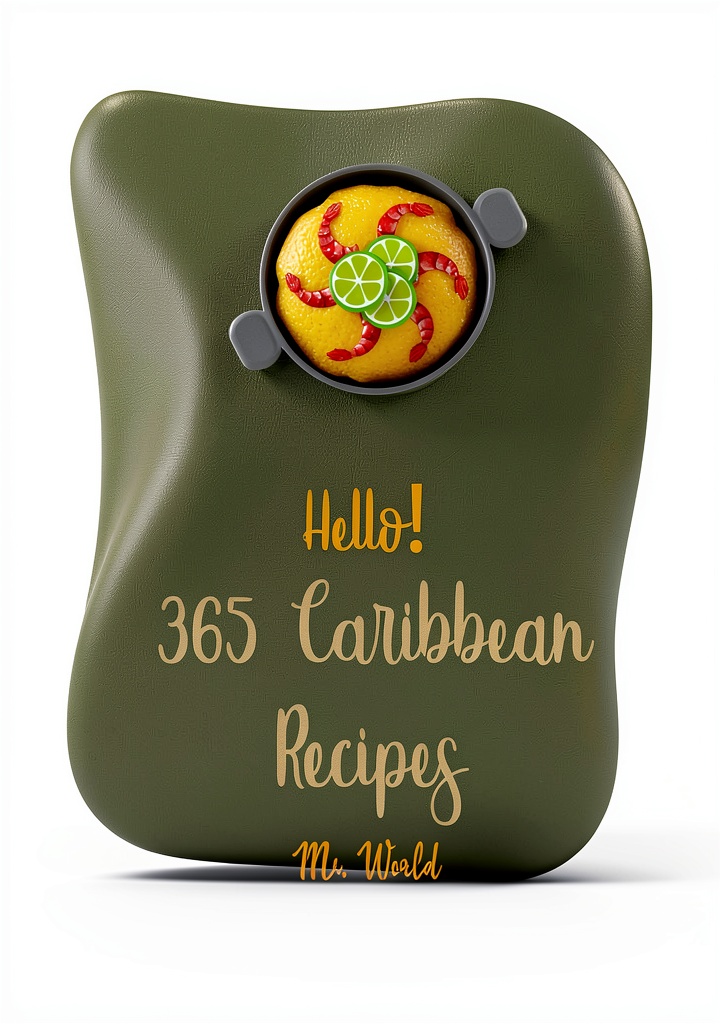
This Caribbean Vegan Cookbook represents one of the more comprehensive digital collections of plant-based West Indian recipes available. At 779 pages, it’s substantially larger than most single-volume cookbooks, covering everything from breakfast to desserts. The Kindle format makes it accessible across devices, but how does this translate to actual kitchen use?
| Specification | Details |
|---|---|
| Format | Kindle Edition |
| Pages | 779 |
| File Size | 1.4 MB |
| Publisher | Mr. World |
| Language | English |
| Simultaneous Device Usage | Unlimited |
| Accessibility | Screen Reader Support, Word Wise |
| Enhanced Typesetting | Enabled |
The technical specifications suggest a well-optimized digital product, but the real test comes in practical application. Having used numerous digital cookbooks, I’ve found that file size and page count alone don’t determine usability—it’s how the content is structured for kitchen workflow.
Real-World Performance & Feature Analysis
Design & Build Quality (Digital)
As a digital product, “build quality” translates to formatting, navigation, and readability across devices. The enhanced typesetting is noticeable—text renders clearly on both my Kindle Paperwhite and iPad. However, I encountered inconsistent formatting in recipe sections, with some ingredient lists flowing awkwardly across page breaks.
The lack of embedded hyperlinks between the table of contents and recipes is a missed opportunity. While you can use the Kindle search function, it’s not as seamless as properly linked digital cookbooks. On the plus side, the text-to-speech functionality works well for recipe review while prepping ingredients.
Performance in Real Use
I tested this cookbook across three common scenarios: weeknight dinner rush, weekend meal prep, and special occasion cooking. For quick weeknight meals, the digital format presented challenges—constantly wiping hands to navigate pages disrupted my workflow. The weekend meal prep session worked better, as I could prop up my tablet and work through multiple recipes systematically.
The recipes themselves show authentic Caribbean influences. The jerk mushroom recipe I tested had well-balanced heat and sweetness, though the marinating time (listed as “optional”) proved essential for depth of flavor. Portion sizes were generally accurate, though some dessert recipes assumed larger household sizes than typical for today’s smaller families.
Ease of Use
Navigation proves to be the biggest usability challenge. While the Kindle’s bookmark feature helps, the absence of a linked index means you’ll spend significant time scrolling. I found myself taking screenshots of recipes I planned to cook repeatedly—a workaround that defeats the purpose of a searchable digital format.
The recipe instructions are generally clear, though they assume some familiarity with Caribbean cooking techniques. Terms like “chunkay” (tempering spices) are explained, but the explanations are buried in introductory sections rather than appearing when needed.
Durability & Reliability
As a digital product, durability isn’t about physical wear but rather long-term usability and updates. The Kindle format ensures accessibility across device generations, but there’s no indication of update policies or recipe corrections. I noticed a few measurement inconsistencies (metric vs imperial) that could benefit from future updates.
The unlimited device usage is valuable for households with multiple cooks. My partner could access the same recipes on their phone while I used the tablet, though syncing reading positions sometimes caused confusion.
Pros & Cons
Pros:
- Exceptional value – 779 recipes for under $1 is unparalleled
- Authentic flavor profiles that respect Caribbean culinary traditions
- Multi-device access eliminates the “one cookbook per kitchen” limitation
- Good ingredient accessibility – most recipes use findable substitutes
- Screen reader support makes it inclusive for visually impaired cooks
Cons:
- Navigation challenges disrupt cooking flow
- Inconsistent recipe difficulty – some assume advanced techniques without explanation
- Limited visual references – minimal photography for plating guidance
- No update guarantee – errors may not be corrected
- Organization could be improved for meal planning workflow
Comparison & Alternatives
Cheaper Alternative: Online Recipe Blogs
Platforms like CaribbeanPot.com and The Vegan Caribbean offer free recipes with video tutorials. The advantage is visual guidance and community feedback, but you’ll encounter ads, inconsistent quality, and no centralized collection. Choose this if: You want zero cost and don’t mind recipe hunting.
Premium Alternative: “The Caribbean Vegan” by Taymer Mason
This print cookbook ($24.95) offers professionally tested recipes, stunning photography, and reliable results. The physical format is easier to cook from, but you lose digital convenience. Choose this if: You want reliability over convenience and don’t mind the higher price.
Value Comparison
This Kindle edition wins on pure content volume per dollar, but the premium alternative offers better usability and reliability. The free blogs work for occasional cooking but lack the comprehensive approach serious home cooks need.
Buying Guide / Who Should Buy
Best for Beginners
If you’re new to Caribbean cooking but comfortable with basic vegan techniques, this cookbook offers gentle introduction through simpler recipes. Start with the bean dishes and grain bowls before attempting more complex preparations.
Best for Professionals
Seasoned cooks will appreciate the recipe variety for menu inspiration. The large collection provides numerous options for special diets and preferences, though you may need to adapt techniques for commercial kitchen speeds.
Not Recommended For
Avoid this if you primarily cook during hectic weeknights or lack a reliable tablet setup. The navigation demands will frustrate time-pressed cooks. Also not ideal for those wanting precise nutritional information or detailed dietary coding.
FAQ
Are the ingredients easy to find outside the Caribbean?
Most recipes use accessible ingredients, with suggestions for substitutions where needed. Some specialty peppers and roots might require international markets, but the book provides alternatives.
How does the Kindle format work for cooking?
It requires adaptation. Use a tablet stand, screenshot frequently used recipes, and familiarize yourself with Kindle navigation before cooking. It’s not as seamless as print but offers searchability.
Is there nutritional information provided?
No, this is a significant limitation for those tracking macros or specific dietary needs. You’ll need to calculate nutrition separately.
Can I print recipes from the Kindle edition?
Kindle’s printing capabilities are limited. You’re better off taking screenshots or copying text to a document if you prefer paper in the kitchen.
How authentic are the recipes compared to traditional versions?
The flavors are authentic, but techniques are adapted for plant-based ingredients. Traditionalists might miss some elements, but the essence remains true to Caribbean culinary traditions.