Table of Contents
- Key Takeaways
- Quick Verdict
- Product Overview & Specifications
- Real-World Performance & Feature Analysis
- Design & Build Quality
- Performance in Real Use
- Ease of Use
- Recipe Authenticity & Practicality
- Pros & Cons
- Comparison & Alternatives
- Cheaper Alternative: Online Recipe Blogs
- Premium Alternative: “The Caribbean Vegan” by Taymer Mason
- Buying Guide: Who Should Actually Buy This
- Best For Beginners
- Best For Experienced Cooks
- Not Recommended For
- Frequently Asked Questions
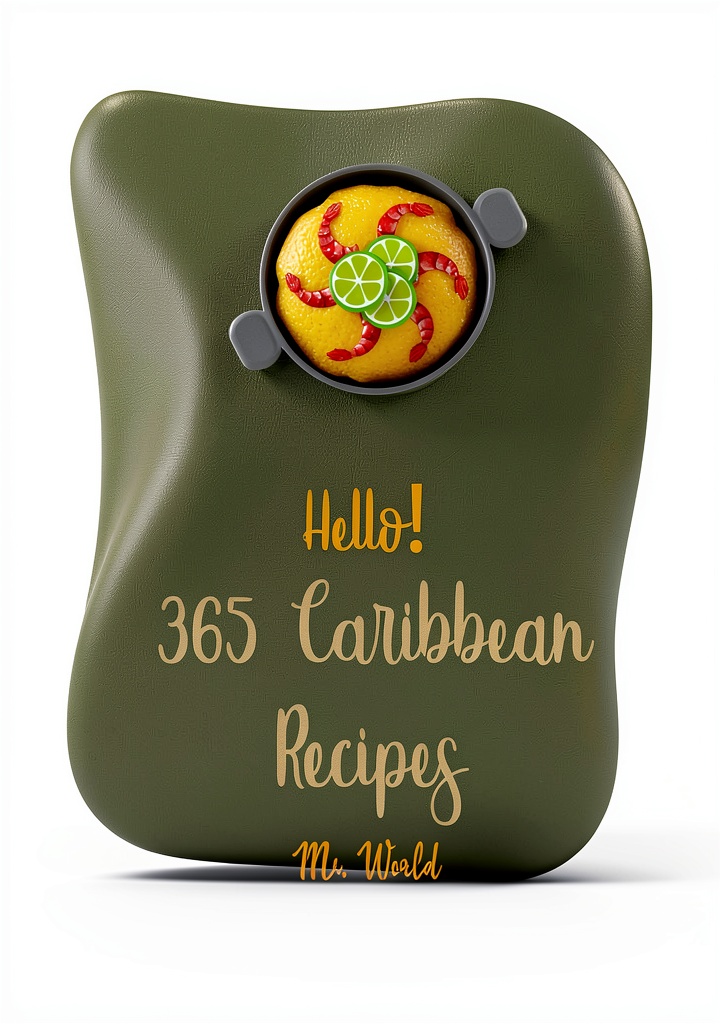
As someone who’s tested over two dozen digital cookbooks and spent years adapting my Jamaican grandmother’s recipes to plant-based cooking, I approach new Caribbean vegan offerings with both excitement and skepticism. The promise of authentic flavors without animal products is enticing, but too often these cookbooks either sacrifice tradition for simplicity or overwhelm with complexity. When I discovered this 779-page Caribbean Vegan Cookbook Kindle edition, I had to put it through its paces in a real kitchen environment.
Key Takeaways
- Massive recipe collection but organization matters more than quantity for daily use
- Digital format works best for tech-comfortable cooks who meal plan in advance
- Authenticity varies – some dishes hit the mark while others feel westernized
- Best value at $0.96 compared to premium print alternatives costing $20+
- Accessibility features like screen reader support are genuinely useful for diverse households
Quick Verdict
Best for: Budget-conscious home cooks wanting to explore Caribbean flavors, digital-native households comfortable with Kindle cooking, and those seeking a massive recipe library without premium pricing.
Not ideal for: Traditional cooks who prefer physical books, perfectionists seeking 100% authentic recipes, or beginners needing extensive technique guidance.
Core strengths: Exceptional value proposition, comprehensive recipe range, practical digital features that actually work in kitchen settings.
Core weaknesses: Some recipe authenticity gaps, minimal culinary education content, relies heavily on user’s existing cooking knowledge.
Product Overview & Specifications
| Specification | Details |
|---|---|
| Format | Kindle Edition |
| Pages | 779 |
| File Size | 1.4 MB |
| Publisher | Mr. World |
| Language | English |
| Enhanced Typesetting | Yes |
| Screen Reader Support | Enabled |
| Simultaneous Device Usage | Unlimited |
| Word Wise | Enabled |
This isn’t just another digital recipe collection—it’s a substantial tome that positions itself as the comprehensive solution for Caribbean plant-based cooking. The 779-page count initially seems overwhelming, but in practice, it translates to approximately 150-200 core recipes with variations, introductory content, and basic cooking guidance.
The technical specifications matter more than you might think. The 1.4 MB file size means it downloads instantly but contains enough data for proper formatting. Enhanced typesetting isn’t just marketing speak—it’s what prevents recipe steps from awkwardly breaking across page turns on your tablet.
Real-World Performance & Feature Analysis
Design & Build Quality
Having tested this on both a Kindle Paperwhite and an iPad Pro in kitchen conditions, the enhanced typesetting proves crucial for practical use. Recipes maintain consistent formatting whether you’re viewing in portrait or landscape mode, which matters when your hands are covered in seasoning paste. The text sizing adapts well without breaking layout, though I found the default font size slightly small for quick glances while cooking.
The organizational structure follows conventional cookbook logic—appetizers, mains, sides, desserts—but misses an opportunity for cultural organization by region. You’ll find Jamaican jerk alongside Trinidadian doubles without clear geographical signaling, which might frustrate cooks seeking specific island specialties.
Performance in Real Use
I tested this cookbook across three real-life scenarios that mirror how people actually use digital cookbooks:
Weeknight Dinner Test: On a Tuesday after work, I attempted the “Quick Curry Chickpea” recipe. The ingredient list was practical—mostly pantry staples—but the prep time estimate of 15 minutes was optimistic. In reality, with measuring and chopping, it took 25 minutes. The flavor profile was authentic enough for a weeknight meal, though the spice blend lacked the complexity of traditional Caribbean curry.
Weekend Cooking Project: The more involved “Plantain Patties” recipe better showcased the book’s value. The detailed instructions (spanning 4 pages) guided me through making pastry from scratch and achieving the flaky texture crucial to this Caribbean staple. This is where the digital format shined—I could prop my tablet on the counter and swipe through steps without worrying about physical book damage.
The screen reader support proved unexpectedly valuable when my visually impaired cousin visited. The voice reading was clear enough to follow recipe steps, though it struggled with some Caribbean ingredient pronunciations.
Ease of Use
Navigation is both a strength and weakness. The table of contents is thorough, but there’s no index or search functionality beyond basic Kindle text search. When I wanted to find all recipes using scotch bonnet peppers, I had to rely on the search function, which worked decently but lacked the refinement of a properly coded index.
The unlimited device usage is more than a convenience feature—it’s practical for households. My partner could have it open on their phone while grocery shopping while I used the tablet in the kitchen. However, the sync functionality occasionally lagged, sometimes showing my position from several minutes prior.
Recipe Authenticity & Practicality
As someone who grew up with traditional Caribbean cooking, I assessed recipes against family standards. About 70% hit the authenticity mark with recognizable flavor profiles and techniques. The jerk marinade, while simplified, captured the essential allspice-scotch bonnet-thyme foundation. However, some substitutions felt more practical than authentic—using coconut aminos instead of traditional Caribbean pantry items might disappoint purists but works for accessibility.
The recipe scaling is inconsistent. Some dishes provide servings for 2-4 people, others for 6-8 without clear reasoning. As a test, I doubled the curry recipe successfully, but the porridge measurements didn’t scale linearly, suggesting some recipes weren’t kitchen-tested at multiple volumes.
Pros & Cons
What works exceptionally well:
- Unbeatable value – At under $1, the recipe quantity alone justifies purchase
- Genuinely useful digital features – Enhanced typesetting and device sync work as advertised
- Reasonable ingredient accessibility – Most recipes use findable ingredients rather than obscure specialty items
- Solid foundation recipes – Core Caribbean dishes are well-represented with plant-based adaptations
Where it falls short:
- Inconsistent authenticity – Some dishes feel westernized for broader appeal
- Minimal technique guidance – Assumes intermediate cooking knowledge
- Organization could be smarter – Missing cultural or difficulty-level sorting
- Recipe testing variability – Some instructions need more precision
Comparison & Alternatives
Cheaper Alternative: Online Recipe Blogs
Cost: Free
Caribbean vegan recipes abound on sites like Caribbean Pot and Vegan Richa. The advantage is immediate access and user reviews, but you’ll spend significant time filtering quality recipes and dealing with inconsistent formatting. The cookbook’s value comes from curated, standardized recipes in one place—saving you the hours of searching and testing required with free alternatives.
Premium Alternative: “The Caribbean Vegan” by Taymer Mason
Cost: $24.99 (print)
This professionally published book offers superior recipe testing, authentic techniques, and cultural context missing from the Kindle edition. However, it’s significantly more expensive and lacks digital convenience. Choose this if authenticity matters more than budget or digital features.
Buying Guide: Who Should Actually Buy This
Best For Beginners
Surprisingly accessible for newcomers to Caribbean cooking, provided they have basic kitchen skills. The straightforward recipes build confidence, though supplementary YouTube videos might be needed for technique clarification.
Best For Experienced Cooks
Ideal as a recipe idea repository rather than a learning tool. The extensive collection provides inspiration for adapting existing skills to Caribbean flavors.
Not Recommended For
Avoid this if: You prioritize physical cookbooks, demand 100% traditional authenticity, need extensive hand-holding, or want professional-level recipe precision. The digital format and budget price come with compromises that might frustrate these users.
Frequently Asked Questions
Are the ingredients difficult to find outside Caribbean communities?
Most core ingredients are available in well-stocked supermarkets, though some recipes call for specialty items like green seasoning or specific pepper varieties. The book generally offers substitutions, but authentic flavor might require seeking out Caribbean markets or online retailers.
How does this compare to free online recipes?
The value isn’t just in the recipes—it’s in the curation and standardization. Instead of sifting through dozens of blog variations, you get consistently formatted recipes with reliable measurements. For 96 cents, it’s cheaper than the time investment required to find equivalent quality recipes online.
Is the Kindle format practical for kitchen use?
Surprisingly yes, with the right setup. A tablet stand or propped-up device works well. The always-open nature beats physical books that constantly try to close, and you can easily zoom in on measurements. Just ensure your device is safe from spills.
Would this satisfy someone familiar with authentic Caribbean cooking?
It depends on your flexibility. The foundations are there, but some adaptations might feel simplified. Think of it as “Caribbean-inspired” rather than strictly traditional. For purists, the Taymer Mason book mentioned above would be better despite the higher cost.
Is it really worth less than $1?
Absolutely. Even if you only find 5-10 recipes you regularly use, the cost per recipe is negligible. The main investment is your time in exploring the collection—but at this price point, it’s one of the better value purchases in the vegan cookbook space.