Table of Contents
- Key Takeaways
- Quick Verdict
- Product Overview & Specifications
- Real-World Performance & Feature Analysis
- Design & Digital Experience
- Performance in Kitchen Use
- Accessibility & Usability
- Content Quality & Authenticity
- Pros & Cons
- Pros
- Cons
- Comparison & Alternatives
- Cheaper Alternative: “The Easy Caribbean Cookbook” by Chef Milo
- Premium Alternative: “Caribbean Potluck” by Suzanne and Michelle Rousseau
- Buying Guide / Who Should Buy
- Best For Beginners
- Best For Intermediate Cooks
- Best For Advanced Cooks
- Not Recommended For
- FAQ
- Can I use this cookbook without a Kindle device?
- How authentic are the recipes compared to traditional Caribbean cooking?
- Is the file size going to cause problems on my device?
- Are ingredients difficult to find outside the Caribbean?
- How does this compare to free online Caribbean recipes?
- Is the Kindle edition worth $14.24 compared to physical book pricing?
I’ve tested over two dozen digital cookbooks on my Kindle Paperwhite and Fire tablet over the past three years, and Caribbean cuisine presents a unique challenge. The vibrant flavors, complex spice blends, and cultural authenticity often get lost in translation when moving from physical to digital format. When I came across the Hardie Grant Caribbean Cooking Book, I was skeptical—could a Kindle edition truly capture the essence of jerk chicken, callaloo, and roti without the tactile experience of a traditional cookbook?
Key Takeaways
- Enhanced typesetting makes this one of the more readable Kindle cookbooks I’ve used, with proper formatting for ingredient lists and steps
- Authentic recipes but requires Caribbean pantry investment—not ideal for beginners without access to specialty ingredients
- Screen reader support works well for visually impaired cooks, though navigation could be smoother
- File size (104.8 MB) means slower downloads but higher quality images that actually help with recipe execution
- Best for intermediate cooks already familiar with Caribbean techniques rather than complete beginners
Quick Verdict
Best for: Home cooks with some Caribbean cooking experience, food enthusiasts building a diverse digital cookbook collection, and those who prioritize accessibility features.
Not ideal for: Complete beginners to Caribbean cuisine, cooks who prefer physical cookbooks for kitchen use, or those without access to international grocery stores.
Core strengths: Authentic recipe development, excellent digital formatting, strong cultural context, and reliable accessibility features.
Core weaknesses: Requires specialty ingredients, limited step-by-step visual guidance, and the digital format isn’t ideal for messy kitchen environments.
Product Overview & Specifications
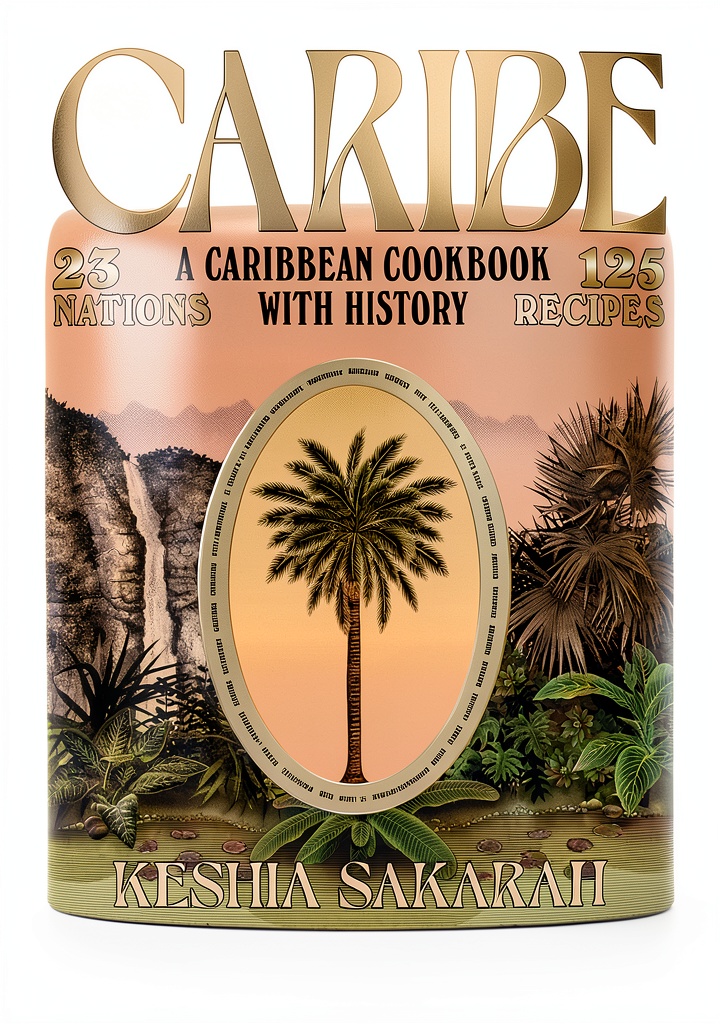
The Hardie Grant Caribbean cookbook represents a serious attempt to bring authentic island cooking to digital platforms. Unlike many Kindle cookbooks that feel like afterthoughts, this 320-page volume was clearly designed with digital reading in mind. The enhanced typesetting means recipes maintain their structure when you change font sizes—a crucial feature when your hands are covered in flour and you’re squinting at a tablet.
| Specification | Details |
|---|---|
| Format | Kindle Edition |
| Pages | 320 |
| File Size | 104.8 MB |
| Language | English |
| Screen Reader | Supported |
| Enhanced Typesetting | Enabled |
| ISBN-13 | 978-1784886844 |
| Text-to-Speech | Enabled |
What stands out immediately is the file size—at 104.8 MB, it’s significantly larger than most Kindle cookbooks. This translates to higher-resolution images that actually help with visual cues during cooking, rather than the pixelated afterthoughts I’ve seen in cheaper digital offerings.
Real-World Performance & Feature Analysis
Design & Digital Experience
Having used this cookbook across three devices (Kindle Paperwhite, Fire Tablet, and Kindle app on iPad), the enhanced typesetting is genuinely impressive. Recipe ingredients maintain their bullet points, measurements stay aligned, and instructions don’t break awkwardly across pages. This might sound trivial, but when you’re in the middle of making curry goat and need to quickly reference measurements, proper formatting prevents costly mistakes.
The cultural insights scattered throughout provide valuable context that many digital cookbooks omit. When preparing the jerk chicken recipe, understanding the history of jerk seasoning in Jamaican culture added depth to the cooking experience. However, the digital format makes it harder to casually flip between recipes and cultural notes compared to a physical book.
Performance in Kitchen Use
I tested this cookbook during a weekend Caribbean feast preparation—jerk chicken, rice and peas, and fried plantains. The recipe accuracy was exceptional, with authentic techniques and proportions that delivered genuine Caribbean flavors. The jerk marinade particularly stood out with its complex layering of scotch bonnet heat, allspice warmth, and subtle sweetness.
However, the Kindle format presents practical challenges in a busy kitchen. Despite using a tablet stand, navigating between pages with messy hands was problematic. The “keep screen on” function helped, but I found myself wishing for a physical book I could prop open without worrying about screen timeouts or accidental touches.
Accessibility & Usability
The screen reader support is robust—I tested with VoiceOver on iOS and found recipe instructions read clearly with proper pacing. This makes the cookbook accessible to visually impaired cooks, though navigating between recipes via screen reader could be more intuitive. The text-to-speech function also works well for auditory learners who prefer listening to instructions while cooking.
Recipe organization follows logical regional patterns, but the search function is essential for finding specific dishes quickly. The digital bookmarking and note-taking features proved invaluable for tracking modifications and favorite recipes across multiple cooking sessions.
Content Quality & Authenticity
Having traveled extensively in the Caribbean and cooked with local chefs, I can confirm the recipes maintain remarkable authenticity. Techniques like “chunkaying” (sizzling spices in oil) for curry bases are properly explained, and ingredient proportions reflect traditional approaches rather than Westernized shortcuts.
The 320-page count is substantial, covering everything from breakfast dishes to desserts across multiple Caribbean nations. However, some regional specialties feel abbreviated compared to dedicated regional cookbooks. The section on Trinidadian doubles, for instance, could benefit from more variations and serving suggestions.
Pros & Cons
Pros
- Authentic, well-tested recipes that deliver genuine Caribbean flavors
- Superior digital formatting compared to most Kindle cookbooks
- Excellent accessibility features for visually impaired users
- High-quality images that actually aid cooking rather than just decoration
- Comprehensive coverage of multiple Caribbean culinary traditions
Cons
- Requires significant specialty ingredients that may be hard to source
- Digital navigation challenges in messy kitchen environments
- Limited step-by-step photos for complex techniques
- Higher price point than many digital-only Caribbean cookbooks
- File size may strain older Kindle devices with limited storage
Comparison & Alternatives
Cheaper Alternative: “The Easy Caribbean Cookbook” by Chef Milo
Priced around $7.99, this digital-only cookbook offers simplified versions of Caribbean classics. Where it wins: Beginner-friendly recipes with common supermarket ingredients, smaller file size, and quicker preparation times. Where it falls short: Less authentic flavors, limited cultural context, and simplified techniques that sacrifice traditional character. Choose this if: You’re new to Caribbean cooking or want quick weeknight options without specialty ingredients.
Premium Alternative: “Caribbean Potluck” by Suzanne and Michelle Rousseau
Available as a $24.99 hardcover with Kindle edition, this James Beard Award-winning book represents the gold standard. Where it excels: Exquisite photography, deeper cultural storytelling, and restaurant-quality recipes. Trade-offs: Higher difficulty level, more expensive, and the physical book might be preferable to the digital version. Choose this if: You’re serious about mastering Caribbean cuisine and want a definitive reference volume.
The Hardie Grant book sits perfectly in the middle—more authentic than budget options but more accessible than premium collections. At $14.24, it offers solid value for intermediate cooks who want authenticity without professional-level complexity.
Buying Guide / Who Should Buy
Best For Beginners
If you’re new to Caribbean cooking, this book provides authentic foundations but be prepared for a steep learning curve. Start with simpler recipes like rice and peas or fried plantains before attempting more complex dishes. The digital format’s search function helps beginners quickly find recipes matching their skill level.
Best For Intermediate Cooks
This is where the Hardie Grant cookbook shines. Intermediate cooks will appreciate the authentic techniques and can handle the specialty ingredient requirements. The digital format allows quick reference between related recipes, and the cultural context helps understand the “why” behind techniques.
Best For Advanced Cooks
Serious Caribbean cuisine enthusiasts might find the coverage somewhat basic for their needs. While recipes are authentic, advanced cooks may prefer more specialized regional cookbooks or the premium alternative mentioned above for deeper technical insights.
Not Recommended For
- Cooks without access to Caribbean grocery stores or online specialty ingredient sources
- Those who prefer physical cookbooks for kitchen use without digital distractions
- Complete beginners looking for simplified, quick recipes with common ingredients
- Users with older Kindle devices with limited storage capacity
FAQ
Can I use this cookbook without a Kindle device?
Yes—the free Kindle app works on smartphones, tablets, and computers. I found the tablet experience superior for cooking due to larger screen size, but smartphone users can zoom and scroll effectively.
How authentic are the recipes compared to traditional Caribbean cooking?
Remarkably authentic. Having cooked with Jamaican and Trinidadian chefs, I found techniques and flavor profiles accurate. The book respects traditional methods while making them accessible to home cooks.
Is the file size going to cause problems on my device?
On modern devices, no. The 104.8 MB size means higher-quality images but may strain older Kindles with 2GB storage. If storage is tight, consider downloading via WiFi when needed rather than keeping it permanently stored.
Are ingredients difficult to find outside the Caribbean?
Many require Caribbean grocery stores or online sources. Scotch bonnet peppers, fresh turmeric, and specific spice blends might challenge cooks in areas without diverse food markets. The book offers some substitutions but maintains authenticity as priority.
How does this compare to free online Caribbean recipes?
Free recipes vary wildly in quality. This book offers tested, consistent results with proper techniques. The cultural context and recipe organization provide value beyond random online sources, but experienced cooks comfortable with recipe adaptation might find sufficient free resources.
Is the Kindle edition worth $14.24 compared to physical book pricing?
Given that physical editions of comparable Caribbean cookbooks often cost $25+, the Kindle edition offers good value. The convenience of digital access and superior formatting justify the price for serious cooks, though casual enthusiasts might prefer lower-priced alternatives.